Preserves · Burnet County
Longhorn Cavern, the cool way to spend a hot day
North of Lake Travis, an underground river carved a long cave through limestone. Guided walks lead through its smooth passages, where the air stays cool when the hills above bake.
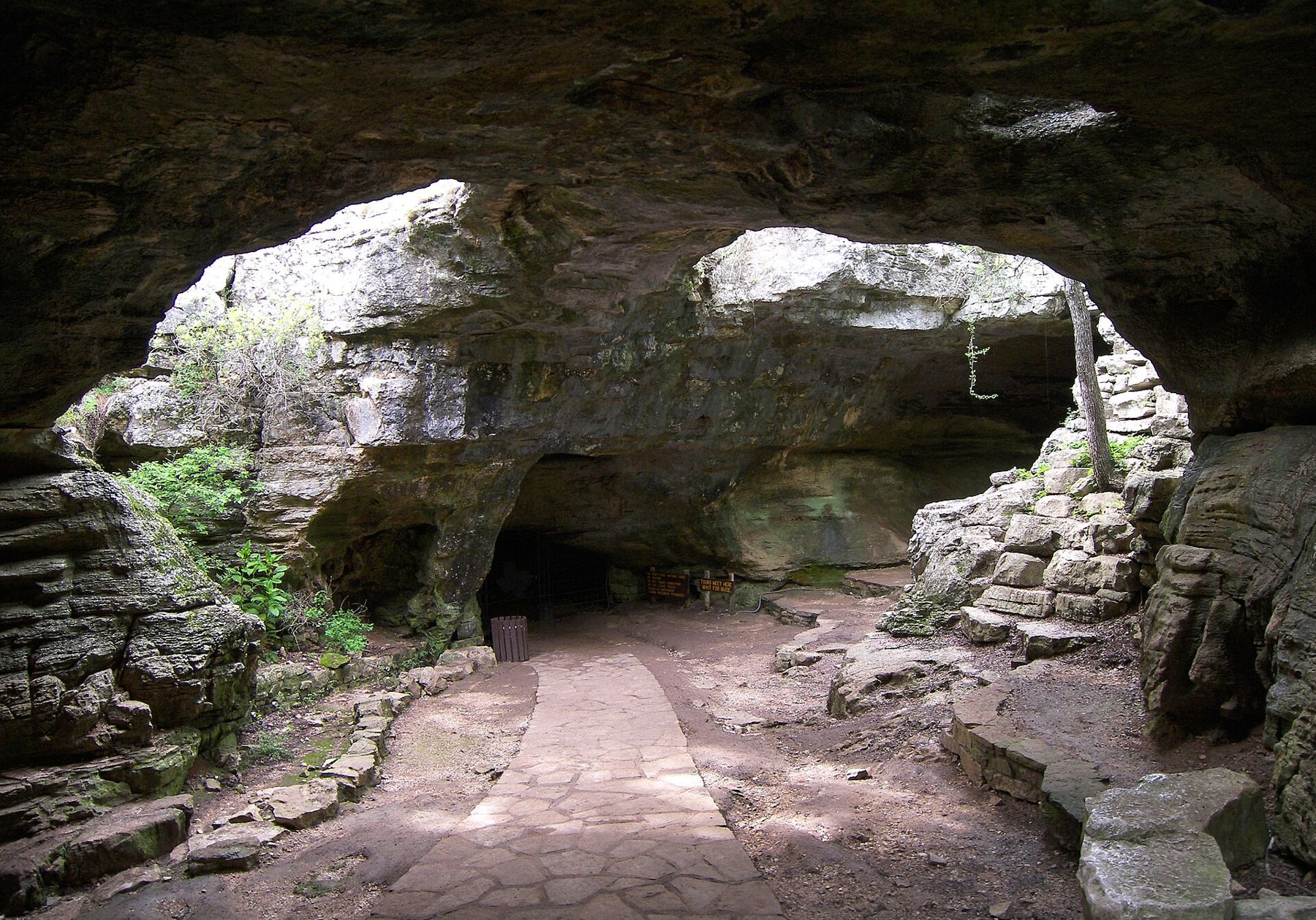
A cave made by moving water
Most caves in central Texas were dissolved slowly by water seeping through limestone. Longhorn Cavern was carved more dramatically. An underground river once ran through it, and the force of that water, carrying sand and gravel, scoured and polished the passages into the smooth, rounded tunnels you walk through today. In places the walls look sculpted, with scalloped ceilings and curved channels that show the direction the water once flowed.
The cave lies under the hills in Burnet County, south of the town of Burnet and about an hour's drive from the Lakeline end of Austin. It is the centrepiece of Longhorn Cavern State Park, one of the older parks in the Texas system.
What a visit looks like
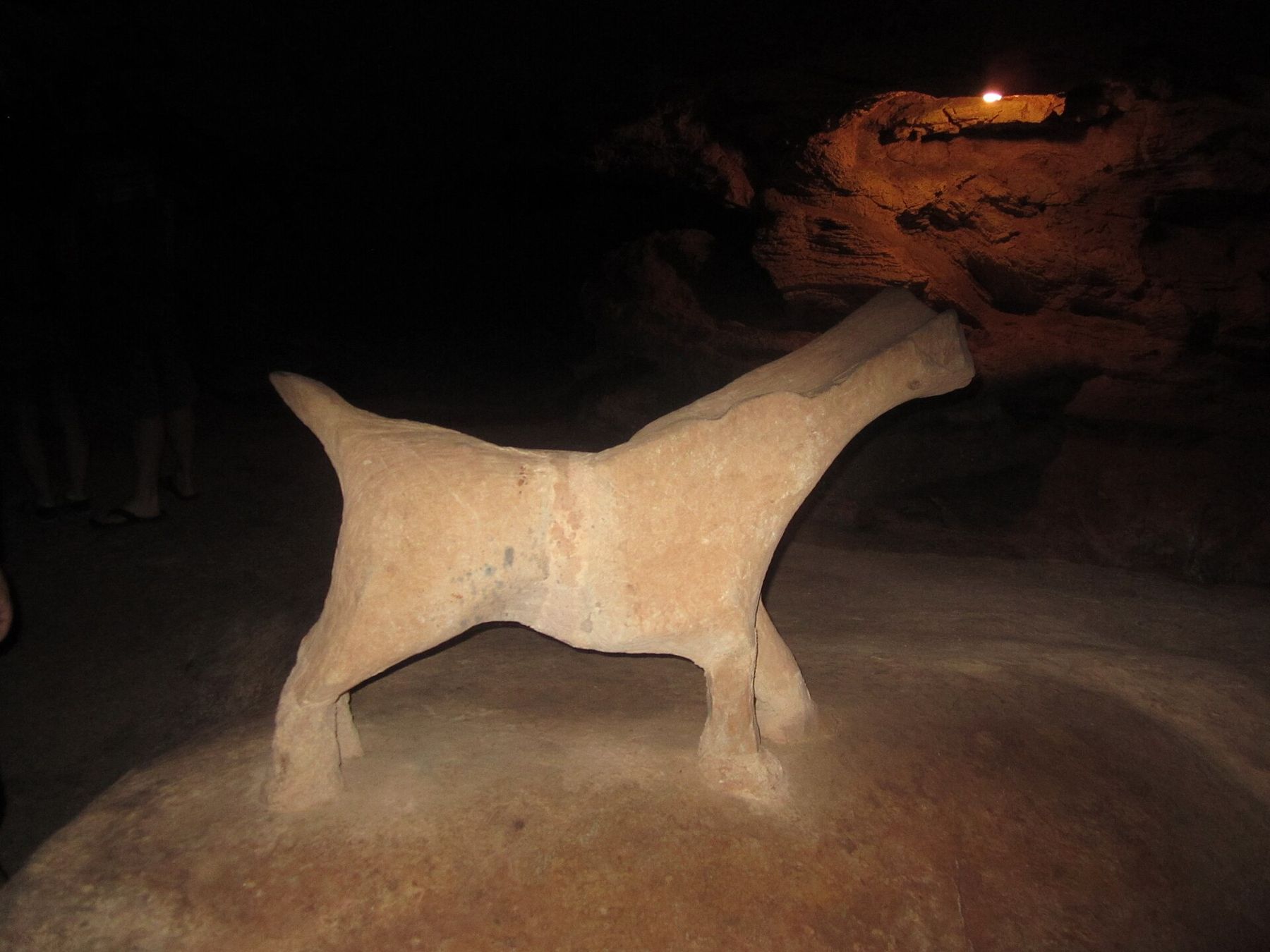
You see the cave on a guided tour. The standard walk follows a route of a little over a mile through the main passages and takes about an hour and a half. The floor is mostly level, with some steps and a few low or narrow spots, and the passages are lit. Guides point out the rock, the formations and the stories attached to them, and stop often enough that the pace is easy.
The park has offered other tours at times, including more strenuous wild-cave trips that involve crawling, but what runs and how often changes. Tour times, group sizes and charges are set by the park and can shift with the season, so check the current schedule and reserve ahead on busy weekends and in summer.
Stories in the stone
The cavern has a crowded human history, and some of it is better documented than the rest. Archaeologists have found evidence of people using the cave long before European settlement. Tales of outlaws hiding inside, of gunpowder made from bat guano during the Civil War, and of a speakeasy dance hall in the 1920s are part of the tour patter; some are well supported and some are local legend, and the guides usually say which is which.
The most visible chapter is the work of the Civilian Conservation Corps. In the 1930s, young men in a CCC camp cleared tons of debris and silt from the cave by hand, opened up the passages and built the park's stone administration building and other structures above ground. Their work turned a muddy hole into a place people could visit, and much of what you walk on and through reflects it.
Why it suits a Texas summer
The great appeal of Longhorn Cavern on the hottest days is the steady temperature underground. Caves hold close to the average year-round temperature of the land above them, so while the hills outside can top 100°F in July and August, the passages stay comfortably cool. A light layer is useful for people who feel the change.
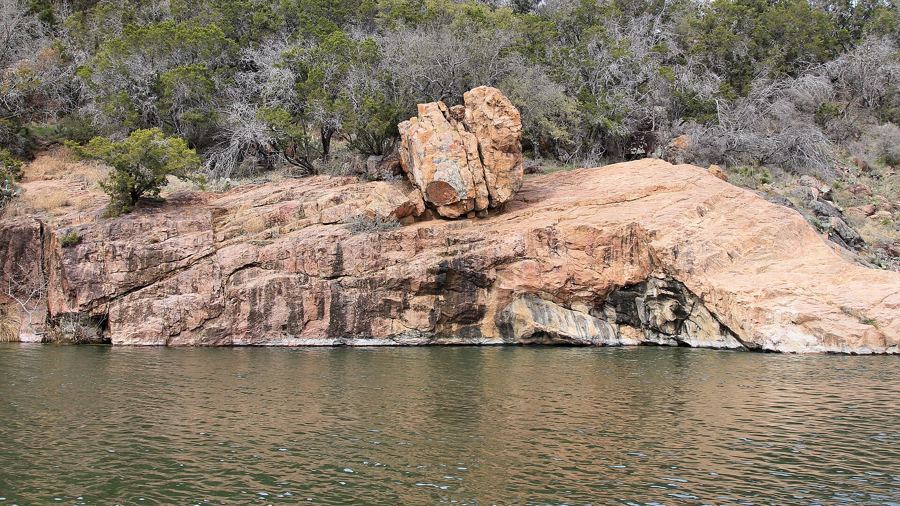
That makes the cave a good plan for a midday break in summer, especially combined with a morning swim. Inks Lake State Park is a short drive away, and its clear water and pink granite make a natural pairing: lake early, cave when the sun is highest.
Above ground in the park
The surface of the park is worth a short walk too. A trail leads to an observation tower built in stone by the CCC, with a view over the surrounding hills, and there are picnic areas near the visitor centre. The ground up top is open and rocky with patchy shade, so in summer it is best seen early or late.
The park is a day-use park without camping. For a night in the area, the campgrounds at nearby state parks fill early on holiday weekends.
Reading the rock as you walk
Watch the ceilings as much as the floor. The rounded hollows overhead were cut by swirling water, and their shapes hint at how fast and in which direction it ran. In some rooms the limestone holds bands of crystal where mineral-rich water later seeped through and left calcite behind; in others the walls are dull and smooth where sediment once pressed against them. The cave is not crowded with dripping stalactites like some Texas show caves. Its interest lies in the sculpted passages themselves, which read like the bed of a vanished river turned on its side. Ask the guide which way the water flowed in each room; once you see it, the whole cave makes sense.
Small things that help
- Wear closed shoes with grip. Cave floors can be damp and smooth.
- Leave large bags in the car; space in some passages is tight.
- Do not touch the walls or formations. Skin oils damage them.
- Check whether strollers and wheelchairs can go on the tour you choose before you arrive; the main route has steps.
- Arrive a little before your tour time to find parking and check in.
Joining it to a longer day
Longhorn Cavern sits at the northern end of the Highland Lakes, the chain of reservoirs on the Colorado River that includes Lake Travis. From here you can carry on to Burnet's small town square, or swing back south past Warbler Vista for an evening view on the way home. It is also a good rainy-day choice: weather that ruins a hike barely touches a cave, although heavy storms can occasionally affect tours.
Whatever the season, the moment of walking out of the cool, quiet passages into the light and heat of the Hill Country is part of the experience. It is a reminder of how much water has shaped this land, above ground and below it.