Preserves · Balcones Canyonlands
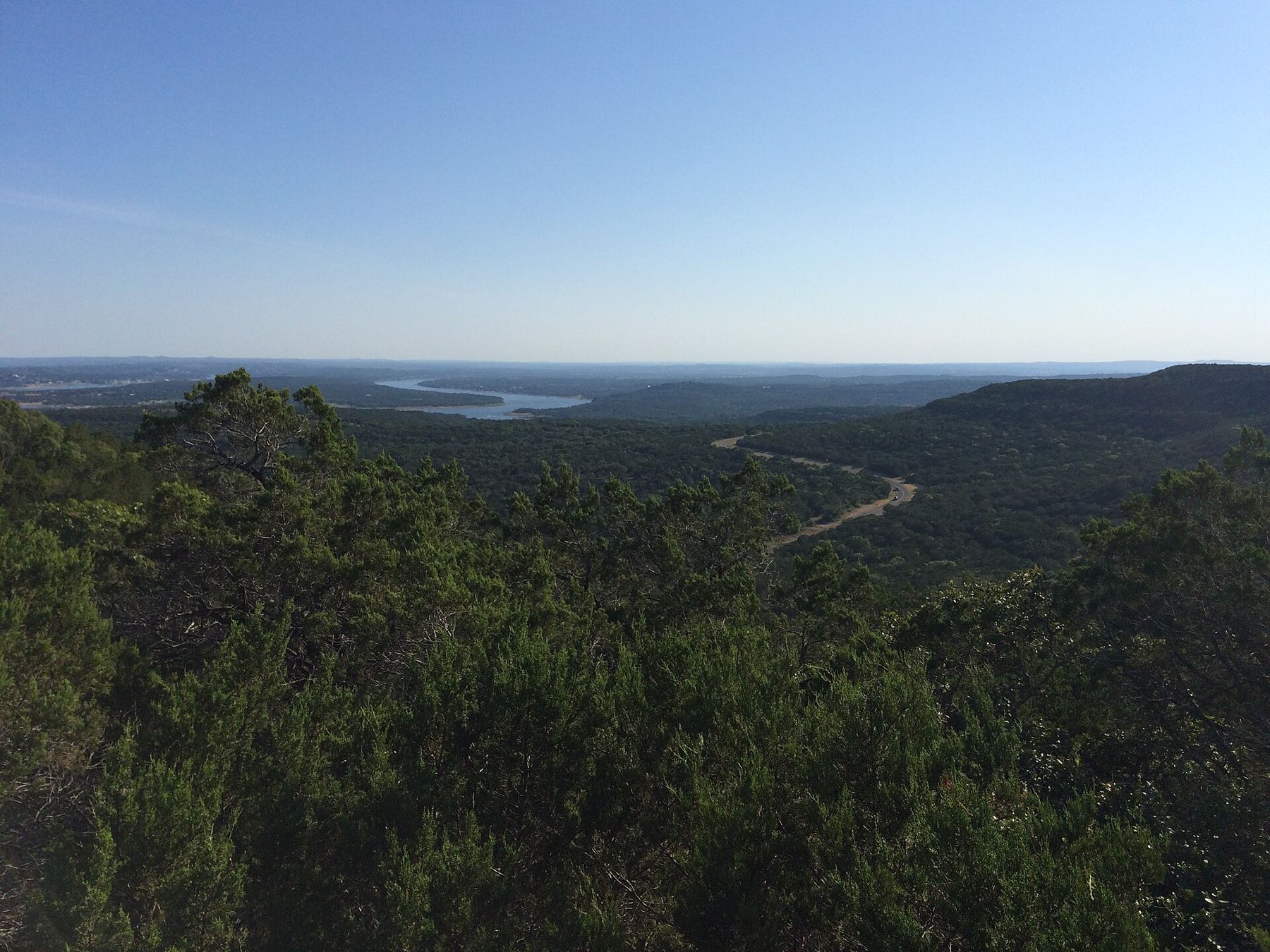
Warbler Vista and the long look west over Lake Travis
A small public corner of the Balcones Canyonlands refuge off FM 1431, with short trails through juniper and oak and an evening deck that faces the sunset.
A refuge you can actually walk into
Most of the Balcones Canyonlands National Wildlife Refuge is closed to the public. It was set aside in the early 1990s to protect nesting habitat for two songbirds, and much of its land is managed for them rather than for visitors. Warbler Vista is one of the exceptions. It sits on the north side of FM 1431 between Cedar Park and Marble Falls, a few minutes past Lago Vista, and it gives you a small parking area, a handful of short trails and a viewing deck that looks west across the hills towards Lake Travis.
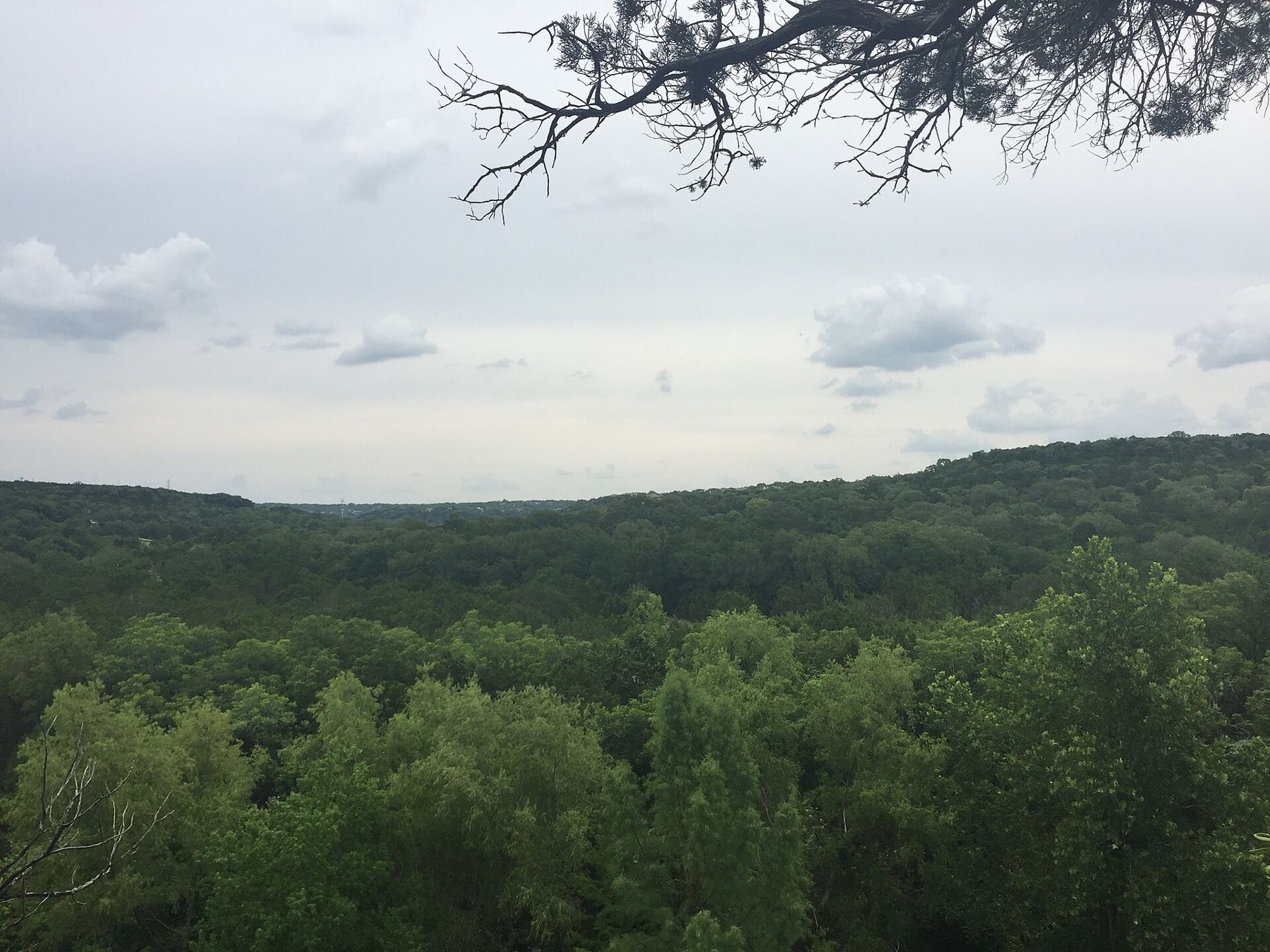
It is not a place for a big hike. The trails are measured in fractions of a mile and the whole network can be walked in an hour or two. What it offers instead is a quiet stretch of the Hill Country edge, with mature Ashe juniper and oak woodland on the slopes and a long view at the end.
The bird the place is named for
The golden-cheeked warbler is the only bird that nests exclusively in Texas. It arrives from Mexico and Central America in March, raises its young in the juniper and oak woodlands of the Edwards Plateau and the Balcones Escarpment, and is gone again by midsummer. It is listed as endangered, mainly because so much of that woodland has been cleared for roads and houses.
The birds need old junipers. Females strip long ribbons of shaggy bark from mature trees and bind them into nests with spider silk, and young cedar regrowth does not have the right bark. That is why patches like this one matter, and why the trails here stay narrow and marked.
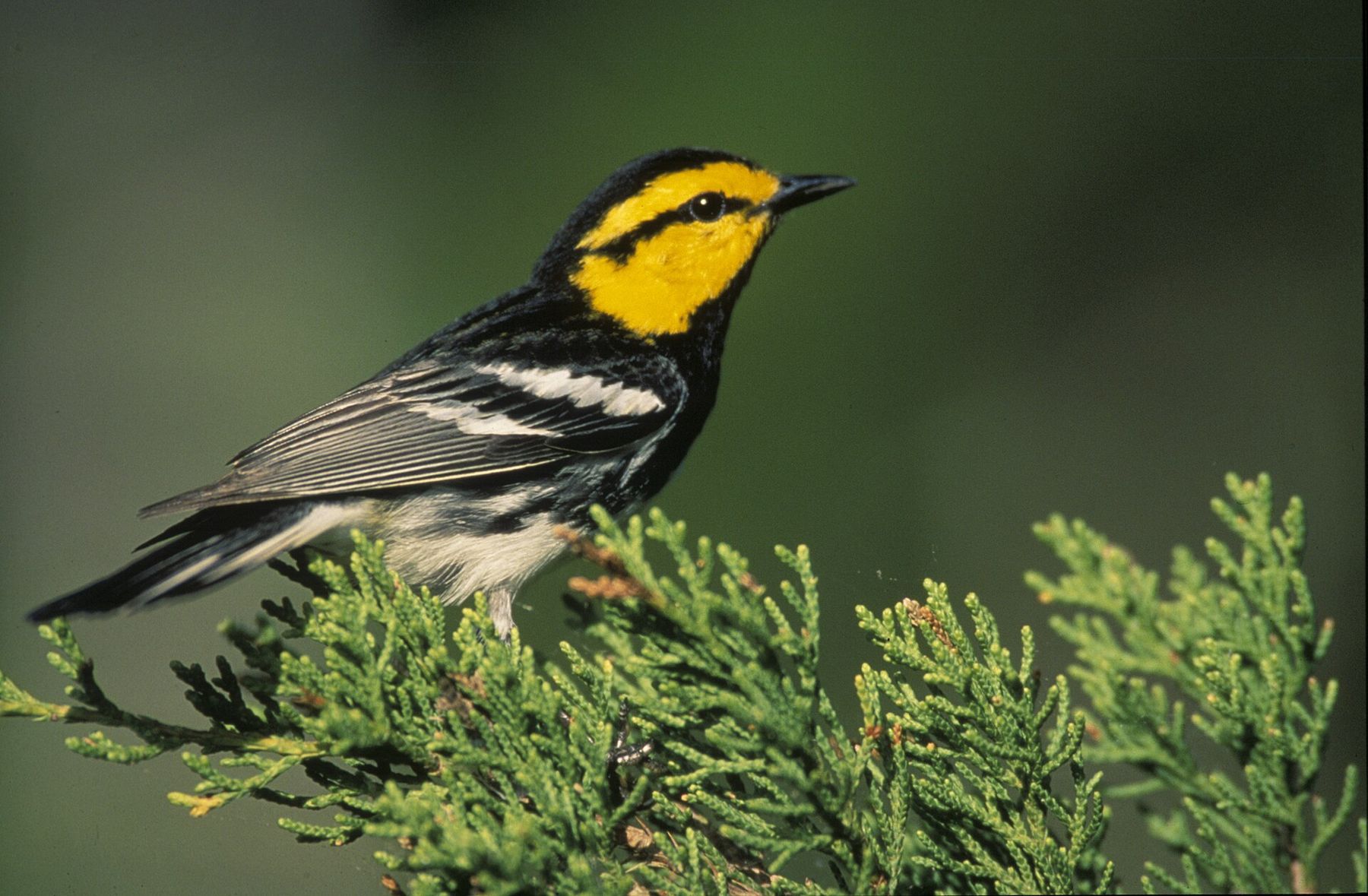
Hearing one is easier than seeing one. Males sing a buzzy, rising song from high in the canopy in spring, and they move quickly. A pair of binoculars and some patience in the cooler morning hours give you the best chance.
How the trails fit together
The paths form a small cluster rather than a single loop. Some stay in the shade of the woodland; others climb gently onto open, rocky ground where prickly pear grows between the limestone. Distances are short enough that you can string several together, and the signs at each junction keep you from wandering onto closed land.
The ground is mostly packed dirt and loose rock. Good walking shoes are enough; there is nothing technical here. After rain the limestone can be slick, and the clay sections get sticky.
If you want a longer morning on the refuge, combine this stop with Doeskin Ranch, the refuge's other public area, which has more open prairie and a creek. The two are a short drive apart through the hills north of Lake Travis.
The deck at the end of the day
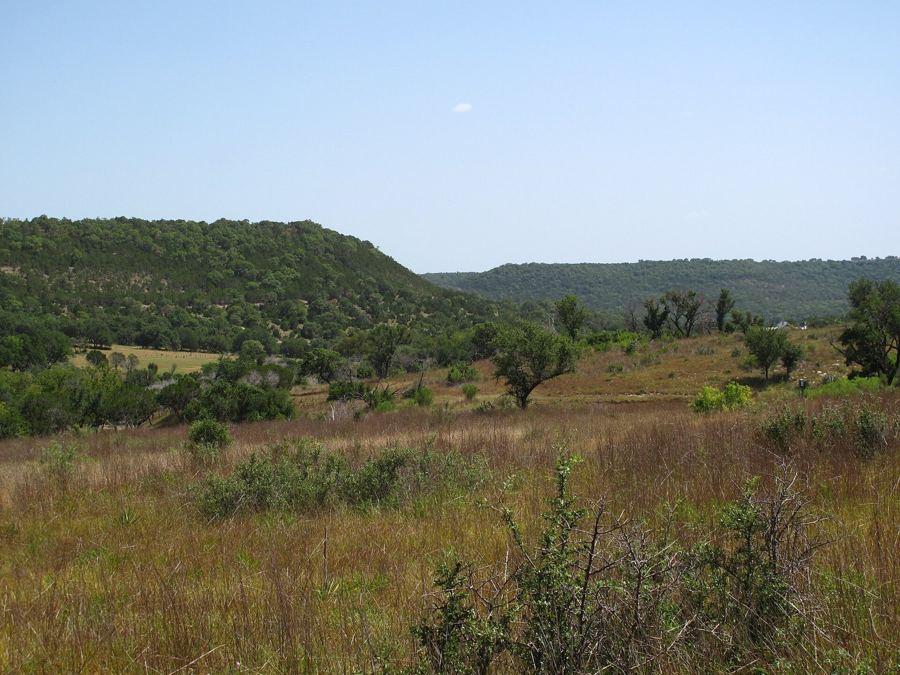
The reason many people come is the overlook. From the wooden deck the land falls away to the west in layers of ridge and valley, and on a clear evening you can pick out the line of Lake Travis in the distance. Because it faces the sunset, the light here is best late in the day, when the low sun picks out the folds in the hills.
The refuge sets its own opening hours and they can change with the season, so check the current times before planning a sunset visit. Being inside the gate when it closes is not an option.
Quiet is part of the deal
Warbler Vista is managed for wildlife first. That shapes how a visit works:
- Stay on marked trails. The land beyond them is nesting habitat.
- Keep voices low, especially in spring, when birds are singing and nesting.
- Check the refuge rules on pets before you bring a dog; wildlife refuges are stricter than city parks.
- Leave no food or litter. There are no bins along the trails.
- Do not use recorded bird calls to draw warblers out. It stresses nesting birds.
Some parts of the wider refuge, and occasionally parts of the public areas, close during the nesting season or for management work such as prescribed burns. The refuge posts notices at the entrances and on its own pages.
When it is at its best
Spring is the obvious season: the warblers are back, the oaks are leafing out and the mornings are mild. Late March to early May gives you the best chance of hearing birds. Autumn is the other good window, with clearer air for the view and cooler afternoons.
Summer is hot on the open sections. If you come between June and September, walk the shaded paths early in the day and treat the deck as an evening stop. Winter is quiet and often clear, and the view can be at its sharpest after a cold front has blown through.
Shaping the day around it
Warbler Vista works well as a short stop rather than a destination on its own. Pair it with a lakeside afternoon on Lake Travis's north shore, or with the drive on to the granite country around Inks Lake and Burnet. From the Lakeline end of Austin it is roughly half an hour by road, longer at rush hour on FM 1431.
There are no services at the site. Bring water, use the restroom before you leave town, and fill the tank in Cedar Park or Lago Vista. The reward is an hour among old junipers, a bird found almost nowhere else on earth, and a long view west to finish the day.