Preserves · Balcones Canyonlands
Doeskin Ranch, the easy door into Balcones Canyonlands
North-west of Lakeline, a former ranch is the refuge's main public trail area: open prairie, a small creek and a climb to the rimrock, home to two songbirds that need this exact country.
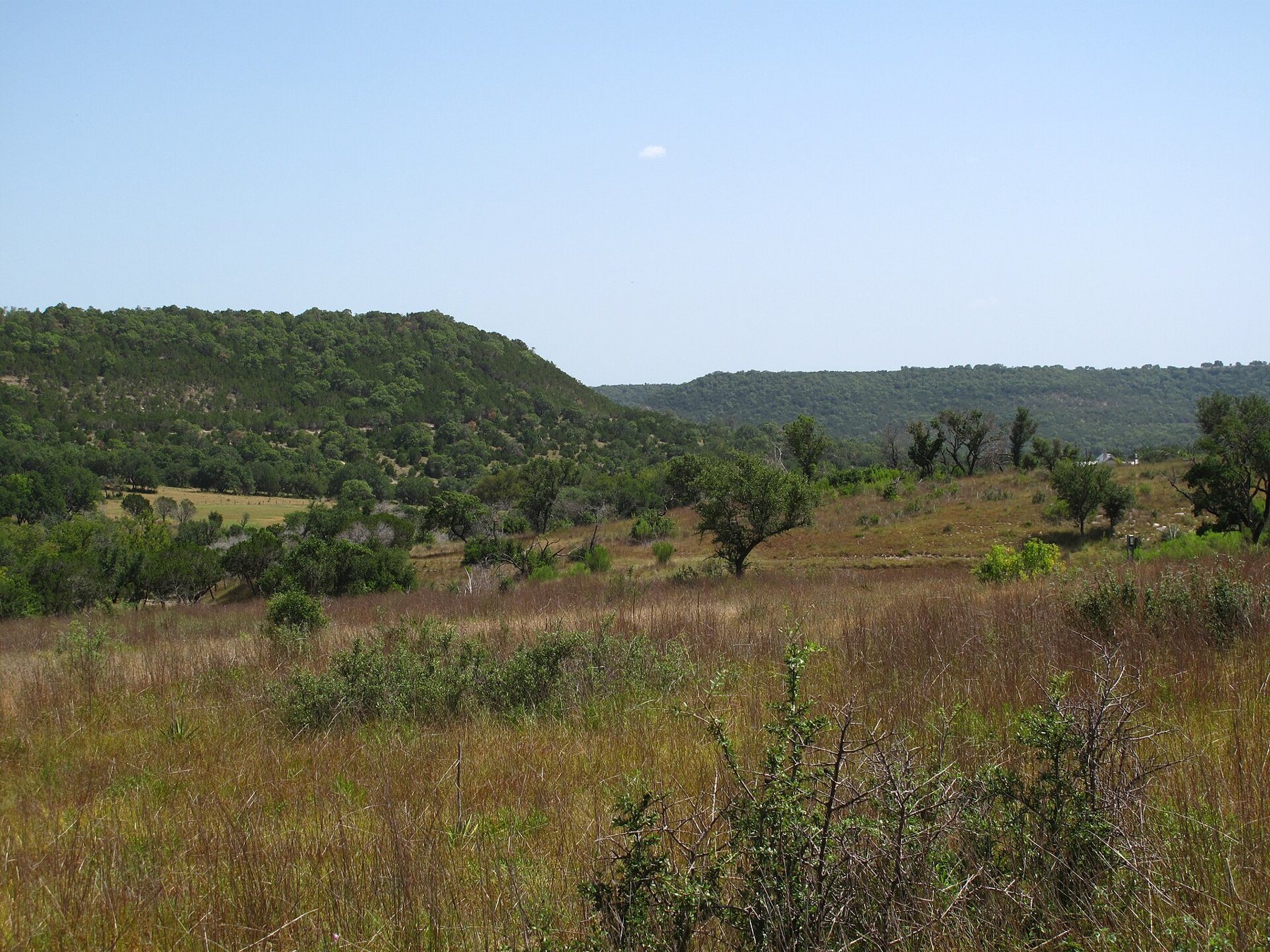
The Balcones Canyonlands National Wildlife Refuge covers tens of thousands of acres of hills north-west of Austin, but most of it is closed to the public. It exists for two small songbirds, and much of its land is managed quietly for them. Doeskin Ranch is the main exception: a former ranch on the refuge's western side where a small network of trails lets you walk through the very country the refuge was made to protect.
A refuge built around two birds
The refuge was established in the early 1990s, soon after the golden-cheeked warbler and the black-capped vireo were listed as endangered. Both birds nest in the hills of central Texas, but they need very different kinds of habitat.
The golden-cheeked warbler needs mature woodland of Ashe juniper and oak, where females strip bark from old junipers to build nests. The black-capped vireo needs the opposite: low, shrubby growth of the kind that springs up after fire or grazing, with thick cover down to the ground. A landscape that suits both is a patchwork of old woodland on the slopes and younger scrub on the flatter ground, kept in balance by careful management. The vireo recovered enough to be removed from the endangered list in 2018, in part thanks to work here; the warbler remains listed.
Doeskin Ranch shows that patchwork in miniature: open grassland, brushy edges, a wooded creek and the juniper-covered ridges above.
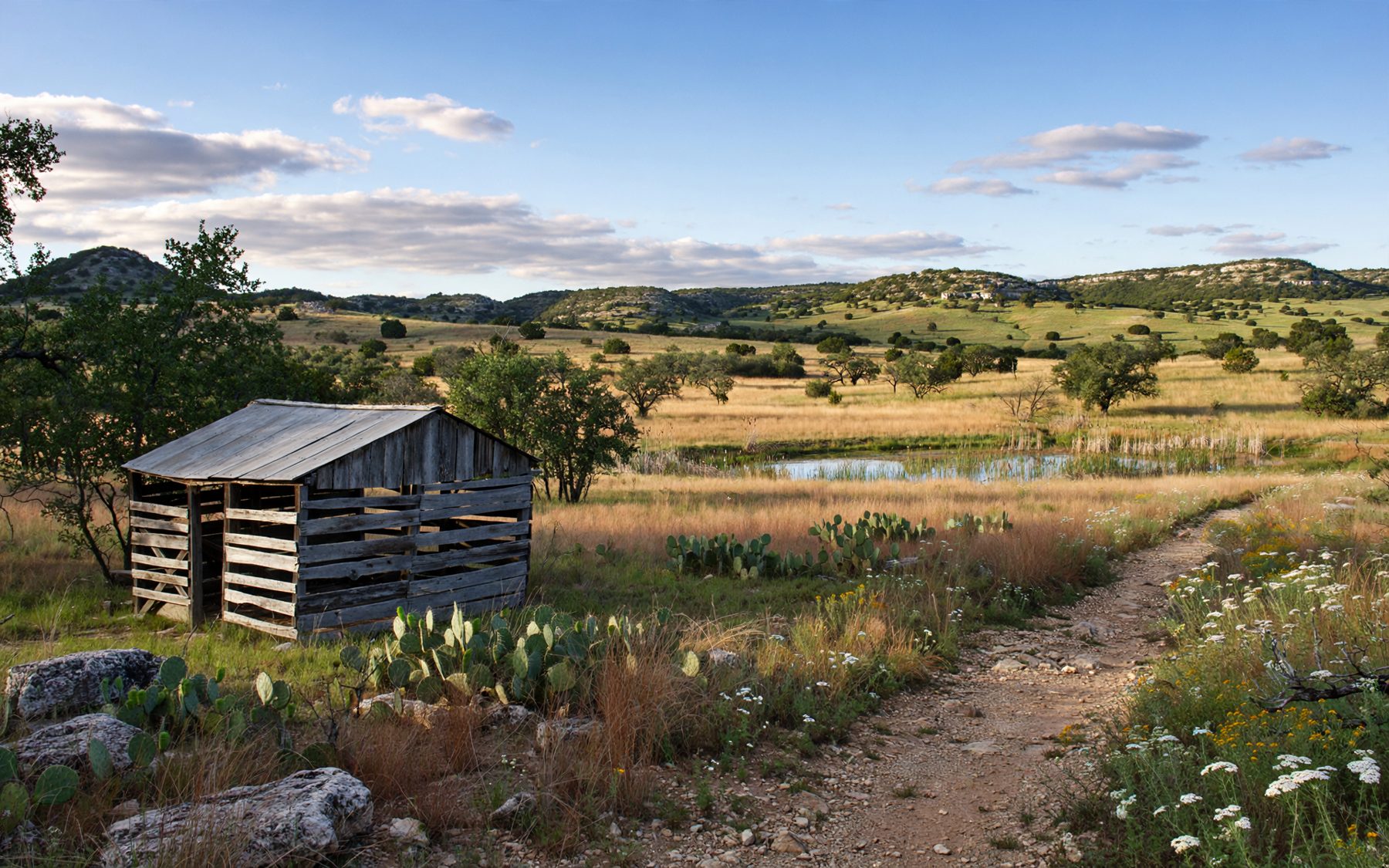
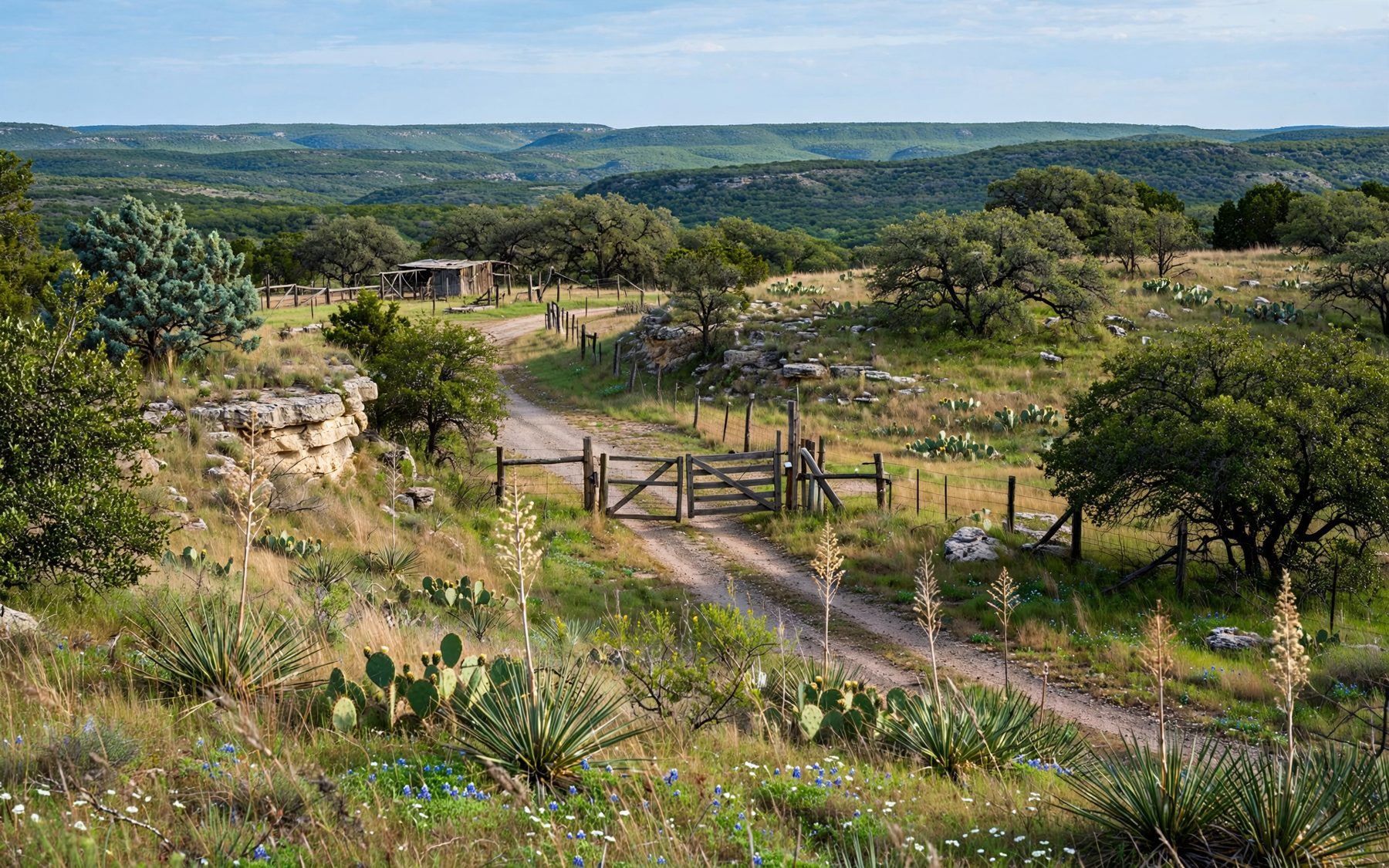
The name comes from the ranch that once ran cattle and goats on this land before the refuge bought it. Fences, a stock pond and old ranch roads still show its working past, and walking the trails you pass from former pasture into country that is slowly returning to something closer to what the first settlers saw.
Paths across the ranch
The trail system at Doeskin is small, and you can walk all of it in a few hours. The loops include:
- A short, level path near the parking area with a firm surface, suitable for wheelchairs and strollers, through prairie and past interpretive signs.
- Paths along the small creek and around a stock pond left over from the ranch days, good for birds and dragonflies.
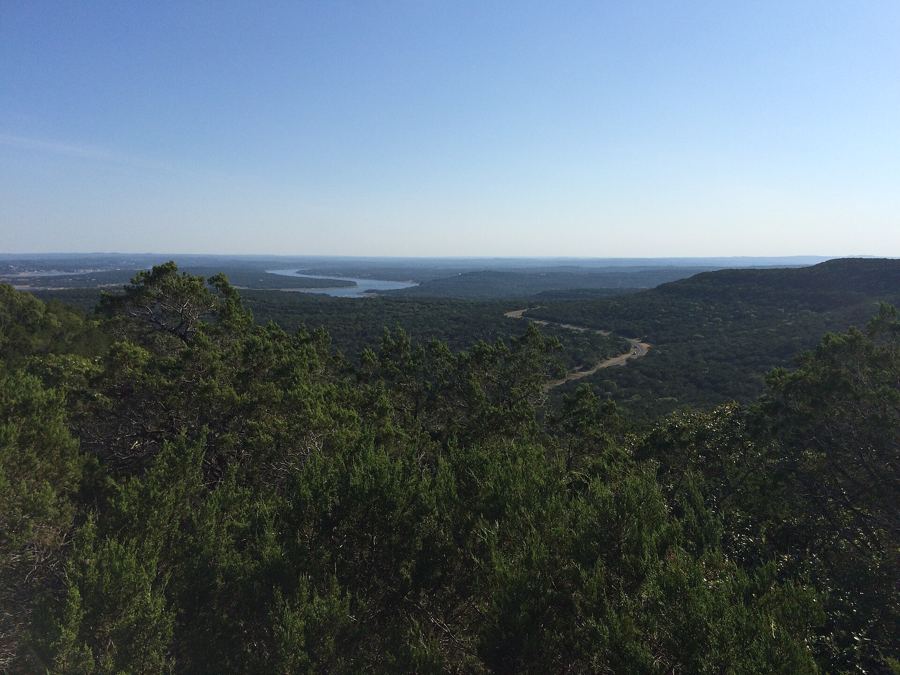
- The longer Rimrock Trail, which climbs through woodland and over limestone ledges to a high plateau with a view across the hills.
From the top of the rimrock the view opens north and west over a rumpled country of wooded ridges and pale grassy flats, with hardly a building in sight. It is one of the best places near Austin to see what the Hill Country edge looked like before the suburbs, and late afternoon light brings out every fold in the land. Trail names and routes are shown on the boards at the trailhead and on the refuge's own maps. The climb to the rimrock is short but steep and rocky in places; take care on loose stones, especially on the way down.
Prairie, fire and wildflowers
The open ground at Doeskin was once grazed ranch land. Today the refuge manages it as native prairie, with grasses such as little bluestem and Indiangrass. Fire is one of the tools it uses. Prescribed burns, carried out by trained crews in suitable weather, clear out encroaching brush and invigorate the grasses, and they also produce the young shrubby growth that black-capped vireos favour. You may see blackened ground in spring, quickly turning green again.
Burns sometimes mean short trail closures. Notices go up at the entrance and on the refuge's pages, and the smoke is visible for miles.
A landscape that suits both is a patchwork of old woodland on the slopes and younger scrub on the flatter ground, kept in balance by careful management.
In spring the prairie fills with wildflowers: bluebonnets and paintbrush in good years, followed by coneflowers, Indian blanket and many smaller species. The spring bloom here is less famous than on the roadsides, but it is more varied, and you can enjoy it without stepping out of a car on a busy highway.
Watching for the birds
Golden-cheeked warblers return in March and sing from the woodland edges into late spring. Black-capped vireos arrive a little later and sing from deep inside the brush, a rich, varied chatter that is easier to hear than to see. Spring mornings are the best time for both. Beyond the two headline species, the refuge is good for painted buntings, scissor-tailed flycatchers over the open ground, and hawks riding the thermals above the ridges.
Other wildlife is easy to meet. White-tailed deer browse the prairie edges at dawn, armadillos root in the leaf litter, and in summer the pond and creek are busy with frogs, turtles and dragonflies. Rattlesnakes live here too, as they do throughout the Hill Country; watch where you step on rocky ground and give any snake plenty of room.
Binoculars and a field guide or birding app make a big difference. So does patience: stand still at a woodland edge for ten minutes and the birds start to show themselves.
Rules that protect the place
Because the refuge exists for wildlife, it asks more of visitors than a city park does. Stay on marked trails; much of the land around them is closed to protect nesting areas. Check the refuge rules on pets before you bring a dog. Do not use recorded bird calls to attract birds during the nesting season. Carry out everything you bring in. Trails are open during daylight hours, and the gate times are posted.
There is no water on the trails and little shade on the prairie. Bring your own water, a hat and sunscreen in every season, and use the restroom in town before you set out, since facilities at the trailhead are basic.
The drive out, and what to add
From the Lakeline area, the drive west on FM 1431 and north on FM 1174 takes around forty-five minutes, through the rolling hills and ranch land of the refuge's southern edge. The refuge headquarters and a small visitor area sit along FM 1431, where staff can answer questions when it is open.
Allow two or three hours for a relaxed visit, more if you stop often to watch birds or wait out the heat of the day in the shade of the creek. Doeskin pairs naturally with Warbler Vista, the refuge's other public area, which has woodland trails and a sunset deck closer to Lake Travis. It is also on the way to the granite country at Inks Lake and the cool passages of Longhorn Cavern if you want to make a full day of it. Winter is underrated here: the prairie turns tawny, the views from the rimrock are at their sharpest after a cold front, and you may have the trails to yourself. Spring and autumn are the best seasons overall; in summer, come at sunrise, walk the prairie while it is still cool and leave the rimrock climb for the cooler months.